

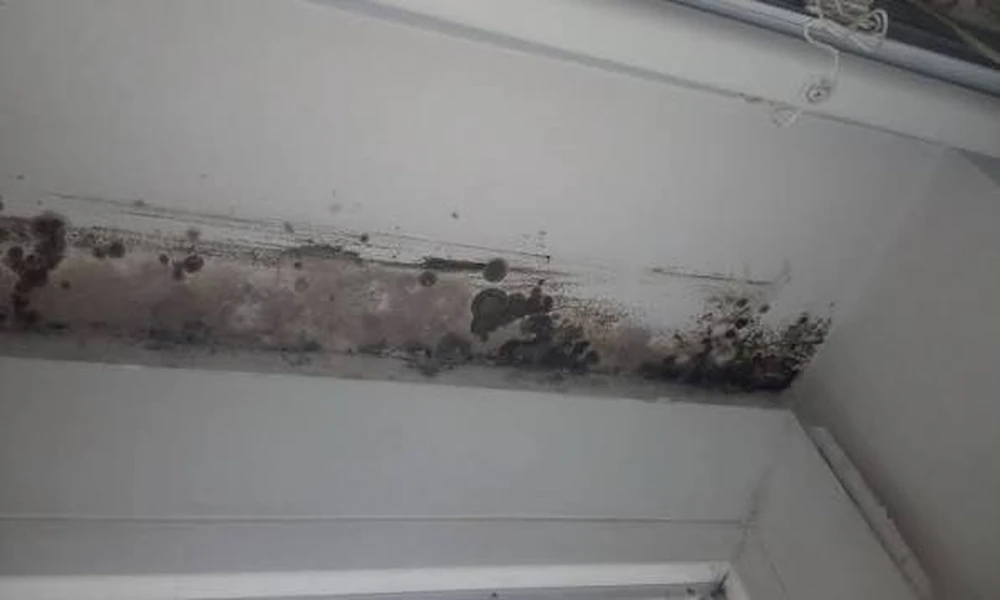
Somewhere in nearly every mold job comes a moment when someone holds a flashlight against a stained wall and decides its fate. Clean it, seal it, or cut it out. That single call shapes the cost, the timeline and the odds of the problem coming back.
It is a judgment the specialists handling mold remediation in Knox County make almost daily, since humid East Tennessee summers, clay that drains slowly and countless crawl space foundations keep moisture close to the framing. The Knoxville crew behind that work pairs cleanup with waterproofing, encapsulation and dehumidification, and the logic is easy to follow. No decision about what stays will hold if the water that fed the growth keeps showing up.
Knowing how those calls get made helps you read an estimate, notice shortcuts and understand why one wall gets scrubbed while the one beside it heads to the dumpster.
Porous Materials Rarely Get a Second Chance
Mold does not just sit on a surface. It sends thin threads called hyphae into whatever it is feeding on, and soft, absorbent materials give those threads endless places to hide. Scrubbing the visible spots off the paper face of drywall leaves the growth inside untouched, and it tends to bloom again the next humid month.
Materials that usually come out once growth has taken hold include
- drywall where mold has reached the face paper or the paper backing on the wall cavity side
- ceiling tiles and other pressed fiber panels
- fiberglass batts, blown cellulose and other insulation that got wet and stayed wet
- carpet padding, and in most cases the carpet sitting on top of it
- mattresses and heavily stained upholstered pieces
A good crew cuts well past the visible edge, often a foot or more, because the stain you can see is usually smaller than the colony behind it. Moisture meter readings around the cut help decide how far that margin needs to go.
Wood Framing Usually Earns a Reprieve
Here the news gets better. Studs, joists, subfloor and sheathing are dense enough that growth stays mostly near the surface, which means the wood can typically be cleaned rather than replaced. Crews use HEPA vacuums, wire brushes, sanding and sometimes blasting with dry ice or baking soda to strip the growth away.
Some dark staining may remain afterward, and that surprises homeowners. The industry’s procedural guide, the ANSI/IICRC S520 Standard for Professional Mold Remediation, centers on physically removing contamination and returning the space to normal conditions, not on erasing every shadow on a joist. The real exception is wood that has gone soft from rot. At that point it stops being a cleaning question and becomes a structural one, and the damaged member needs reinforcing or replacing.
Hard Surfaces Clean Up Easily, Which Is Where Shortcuts Begin
Metal ductwork, glass, tile, sealed concrete and plastic fixtures give mold nowhere to dig in. A detergent wipe and thorough drying usually handle them. Because these surfaces are so easy, they also tempt people into treating everything else the same way.
Bleach is the classic example. It can whiten a stain on a porous surface while doing little to the growth underneath, and the water in it adds moisture right where you least want it. Spraying a biocide or fogging a room without physically removing the growth works about as well. Painting over a moldy wall with a sealing primer is another trap. Encapsulant coatings have a role on wood that has already been cleaned, but brushed over live growth they just hide it until it pushes through again.
The Gray Zone of Belongings and Ductwork
Contents need case by case decisions. Hard furniture made of finished wood, metal or plastic usually cleans up fine. Clothing and linens often survive a hot wash. Books and paper are tougher, and important documents or photos may be worth sending to a specialist who freeze dries them rather than tossing them on the spot.
Heating and cooling systems deserve particular attention. If growth has reached the air handler, the drain pan or fiberglass lined ducts, running the system spreads spores through every room it serves. The system should be shut off during work, metal ducts can be cleaned, and lined or flexible ducts with growth inside are generally replaced.
Protecting the Rooms That Were Never Moldy
Tearing out contaminated drywall releases a lot of spores and dust, so how a crew protects the rest of the house matters as much as what it removes. For anything beyond a small patch, expect plastic sheeting sealed around the work area with a zippered entry, and a negative air machine pulling air through a HEPA filter and exhausting it outdoors. That pressure difference keeps spores flowing into the containment, not out of it.
Debris should be bagged inside the work area before it travels through the house. Workers wear respirators, and surfaces get HEPA vacuumed and damp wiped before the plastic comes down. Small spots of roughly ten square feet or less are often manageable by a careful homeowner. Once growth covers more ground, sits inside walls or follows a sewage backup, containment stops being optional.
Proof That the Work Actually Held
A finished job should come with evidence. At minimum that means a visual check showing no remaining growth or debris, plus moisture readings confirming framing and subfloor have dried to normal levels. On larger projects, many homeowners bring in an independent indoor environmental professional for clearance sampling. Keeping that person separate from the company doing the removal avoids any conflict of interest.
Tennessee does not run a dedicated mold remediation license the way a handful of other states do, which puts more weight on training credentials, written scopes of work and that final verification. A clear scope lists which materials are being removed, which are being cleaned and how the space will be checked afterward. If an estimate cannot tell you that, ask until it does.
Where the Story Really Ends
Every decision about saving or discarding material rests on one assumption, that the moisture is gone for good. Mold can start growing on damp materials within a day or two, so a dripping supply line, a sweating crawl space or a bathroom without a working exhaust fan will undo even careful work. Indoor humidity kept below about 60 percent, gutters that move water away from the foundation and quick drying after any leak do more to protect the rebuilt walls than any spray ever could. Get the water story right, and the hard calls made with that flashlight only need to be made once.
