

Introduction
Fire safety is an important responsibility in every workplace. A fire can spread rapidly, leading to injuries, property damage, and serious disruptions to business activities.For this reason, employers, managers, and employees all have a role in preventing fires and responding safely during emergencies. Understanding these responsibilities helps create a safer working environment and ensures that everyone knows what actions to take when a fire hazard or emergency occurs.
To maintain full compliance and rapid coverage, many organizations partner with specialized emergency monitoring providers to ensure safety protocols are continuously met. Working with professional guard services like The Fast Fire Watch Company allows businesses to quickly deploy trained safety personnel whenever primary alarms are offline or during high-risk operations. Incorporating this level of dedicated oversight ensures round-the-clock protection while keeping workplace operations aligned with local safety regulations.
Employer Responsibilities
Employees also play a key role in maintaining fire safety at the workplace.They should identify potential hazards, maintain fire protection equipment, and ensure that emergency exits remain accessible. Employers should also provide suitable fire safety training so employees understand evacuation procedures, emergency communication methods, and basic prevention practices. Regular inspections can help identify unsafe conditions before they become serious problems.
Manager and Supervisor Responsibilities
Managers and supervisors play an important role in applying workplace fire safety procedures. They should make sure employees follow established safety rules and report hazards promptly. Supervisors may also need to monitor activities that create additional fire risks, such as hot work or the use of flammable materials. They should ensure that work areas remain organised and that emergency routes are kept clear.
Employee Responsibilities
Employees also play a vital role in ensuring fire safety in the workplace.They should follow workplace safety procedures, use equipment correctly, and report damaged electrical equipment, blocked exits, spills, or other hazards. Employees should never ignore signs of a possible fire. They should also know the location of emergency exits and understand what to do when an alarm or emergency notification is given.
Maintaining Fire Protection Equipment
Fire alarms, smoke detection systems, sprinklers, fire extinguishers, and other safety equipment need regular inspection and maintenance. Responsible personnel should ensure that these systems remain accessible and functional. If a system becomes unavailable during repairs or maintenance, appropriate temporary safety measures may be required. Fire watch personnel may also be assigned when additional monitoring is necessary.
Emergency Preparedness
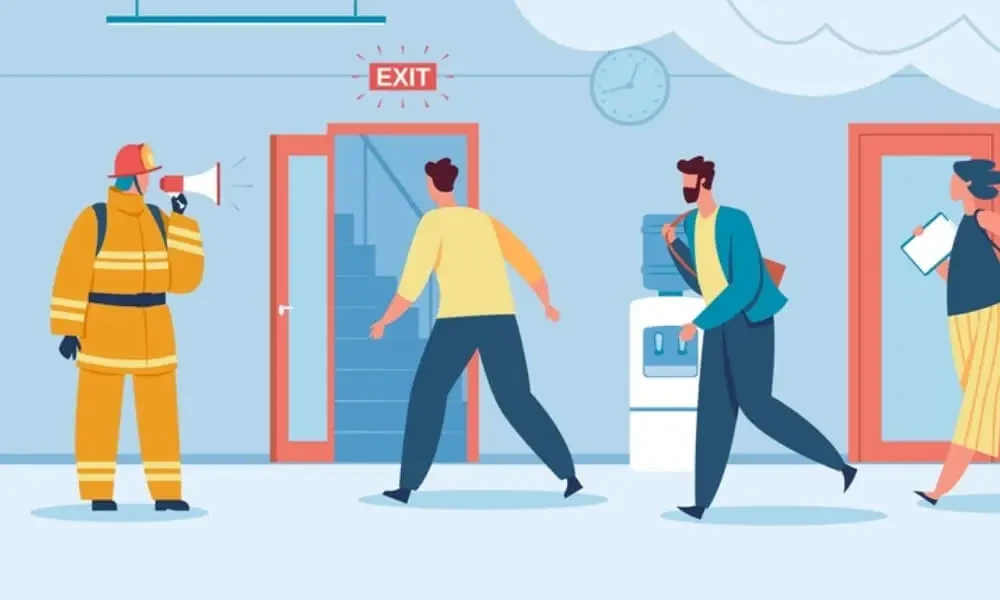
Every workplace should have clear emergency procedures that employees can understand and follow. Evacuation routes should be identified, and emergency exits should remain free from obstructions. Employees should know where to gather after evacuation and how to report an emergency. Regular training and drills can help workers become familiar with these procedures and respond more confidently during an actual fire.
Preventing Workplace Fire Hazards
Preventing fires requires employees to regularly monitor and maintain safe workplace conditions. Combustible materials should be stored properly, electrical equipment should be maintained, and ignition sources should be controlled. Good housekeeping also helps reduce fire risks by preventing waste and clutter from accumulating. Employees and supervisors should work together to correct unsafe conditions as soon as they are identified.
Conclusion
Fire safety is a shared responsibility that requires cooperation throughout the workplace. Employers must provide suitable safety measures and training, managers must enforce procedures, and employees must follow rules and report hazards. Maintaining fire protection equipment, preparing for emergencies, and controlling everyday risks can help prevent fires and reduce their impact.
