

Monthly utility bills can quietly consume a significant portion of a household budget. While many homeowners focus on major renovations to lower expenses, simple daily habits and strategic home upgrades often deliver noticeable savings over time. Small changes in how you use energy and water can add up without sacrificing comfort.
If you’ve ever wondered whether do smart thermostats save money, you’re already thinking in the right direction. Combining smarter technology with practical everyday habits is one of the most effective ways to reduce utility costs while making your home more efficient.
Build Better Energy Habits Every Day
The easiest way to reduce utility bills is by paying closer attention to everyday routines. Many homes waste energy simply because appliances, lighting, and heating or cooling systems are used inefficiently.
Simple habits that can make a difference include:
- Turning off lights when leaving a room.
- Unplugging electronics that aren’t in use.
- Running full loads in the dishwasher and washing machine.
- Using cold water for laundry whenever appropriate.
- Keeping blinds closed during hot afternoons and open during sunny winter days.
None of these changes require a financial investment, yet together they can noticeably reduce energy consumption throughout the year.
Upgrade to Energy-Efficient Lighting
Replacing traditional incandescent bulbs with LED lighting is one of the simplest home improvements available.
LED bulbs consume significantly less electricity while lasting much longer than older bulb types. Although the upfront cost may be slightly higher, fewer replacements and lower energy use often make LEDs a worthwhile investment over time.
Consider replacing frequently used fixtures first, such as those in kitchens, living rooms, hallways, and outdoor lighting.
Improve Heating and Cooling Efficiency
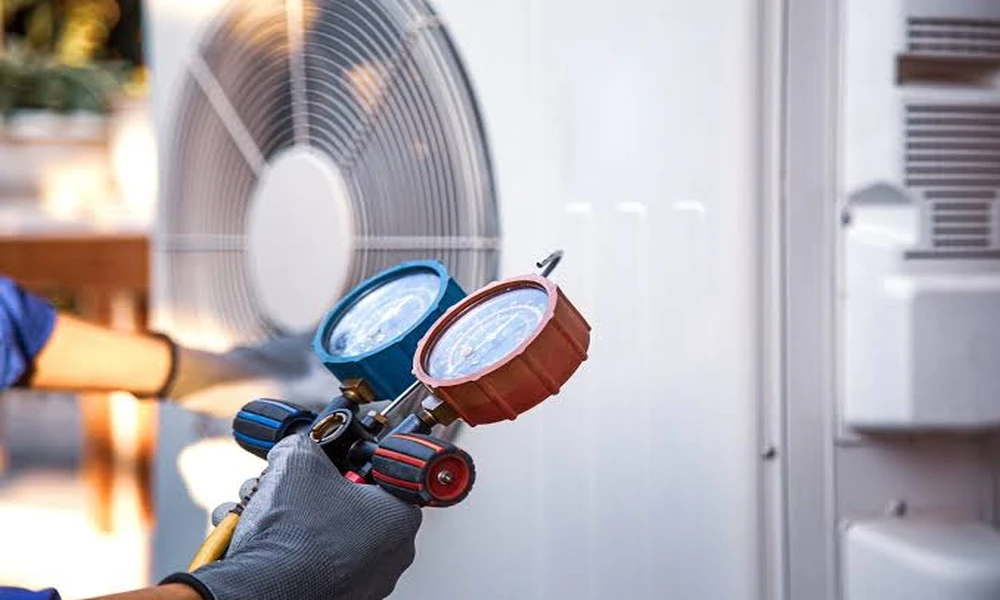
Heating and cooling usually account for one of the largest portions of a home’s energy use. Improving HVAC efficiency often has one of the greatest impacts on monthly utility costs.
Start with regular maintenance:
- Replace air filters on schedule.
- Keep supply and return vents unobstructed.
- Schedule professional HVAC inspections.
- Seal leaks in ductwork when necessary.
Good airflow helps your heating and cooling equipment operate more efficiently while reducing unnecessary strain on the system.
Seal Air Leaks Around Your Home
Even the most efficient HVAC system has to work harder if conditioned air constantly escapes.
Common areas where air leaks occur include:
- Windows
- Exterior doors
- Attic access panels
- Electrical outlets on exterior walls
- Plumbing and cable penetrations
Adding weatherstripping, replacing worn door seals, and applying caulk around gaps can improve comfort while reducing heating and cooling losses.
Install a Smart Thermostat
Smart thermostats have become increasingly popular because they simplify temperature management while helping homeowners avoid unnecessary energy use.
Many models automatically adjust temperatures based on your schedule, occupancy, or preferences. Instead of heating or cooling an empty house all day, the thermostat can reduce energy use while you’re away and restore comfortable temperatures before you return.
Learning how modern thermostat technology works helps homeowners better understand when automated scheduling provides meaningful savings and where it fits into an overall energy-efficiency strategy.
Upgrade Insulation for Long-Term Savings
Insulation plays a major role in maintaining consistent indoor temperatures.
If your attic, crawl space, or walls lack adequate insulation, your HVAC system may run longer than necessary throughout the year.
Improving insulation helps:
- Reduce heat loss during winter.
- Slow heat gain during summer.
- Increase indoor comfort.
- Lower heating and cooling demand.
Although insulation upgrades require a larger investment than some other improvements, they often continue delivering benefits for many years.
Reduce Water Consumption
Lower utility costs aren’t limited to electricity and gas. Water-saving improvements can also reduce monthly expenses.
Consider installing:
- Low-flow showerheads
- Water-efficient faucet aerators
- High-efficiency toilets
- Water-saving washing machines
Equally important is fixing dripping faucets or leaking toilets promptly, as even small leaks can waste a surprising amount of water over time.
Choose Energy-Efficient Appliances
Older household appliances often consume considerably more energy than newer, high-efficiency models.
When replacing major appliances, look for products that emphasize energy efficiency. Refrigerators, dishwashers, washing machines, dryers, and water heaters all contribute to monthly utility costs.
Replacing an aging appliance before it becomes unreliable may improve both performance and efficiency.
Be Smarter About Peak Energy Use
Some utility providers charge different electricity rates depending on the time of day.
If your provider offers time-of-use pricing, consider shifting energy-intensive activities to lower-cost periods whenever practical. Running the dishwasher, washing clothes, or charging electric devices during off-peak hours may help reduce overall electricity costs.
Reviewing your utility provider’s billing structure can reveal opportunities to save without making major lifestyle changes.
Maintain Your Home Regularly
Routine home maintenance helps prevent small efficiency problems from becoming expensive ones.
A seasonal maintenance checklist might include:
- Cleaning HVAC vents and registers
- Inspecting weatherstripping
- Checking attic insulation
- Cleaning refrigerator coils
- Inspecting water heater settings
- Looking for plumbing leaks
- Servicing heating and cooling equipment
Preventative maintenance keeps systems operating efficiently while extending their lifespan.
Combine Small Changes for Bigger Results
One home upgrade alone rarely transforms a utility bill overnight. Instead, lasting savings usually come from combining multiple improvements that work together.
For example, sealing air leaks, upgrading insulation, installing efficient lighting, maintaining your HVAC system, and adopting better daily habits all complement one another. Over time, these combined efforts can improve comfort while reducing unnecessary energy waste.
Rather than trying to complete every project at once, prioritize the improvements that best fit your home’s needs and your budget.
Conclusion
Reducing utility costs doesn’t always require expensive renovations or dramatic lifestyle changes. Many of the most effective strategies involve simple daily habits combined with carefully chosen home improvements that improve overall efficiency.
Whether you’re sealing drafts, upgrading insulation, installing LED lighting, or exploring smart home technology, every improvement contributes to lower energy consumption over time. By approaching energy savings as an ongoing process instead of a one-time project, homeowners can create a more comfortable, efficient home while keeping monthly utility expenses under better control.
