

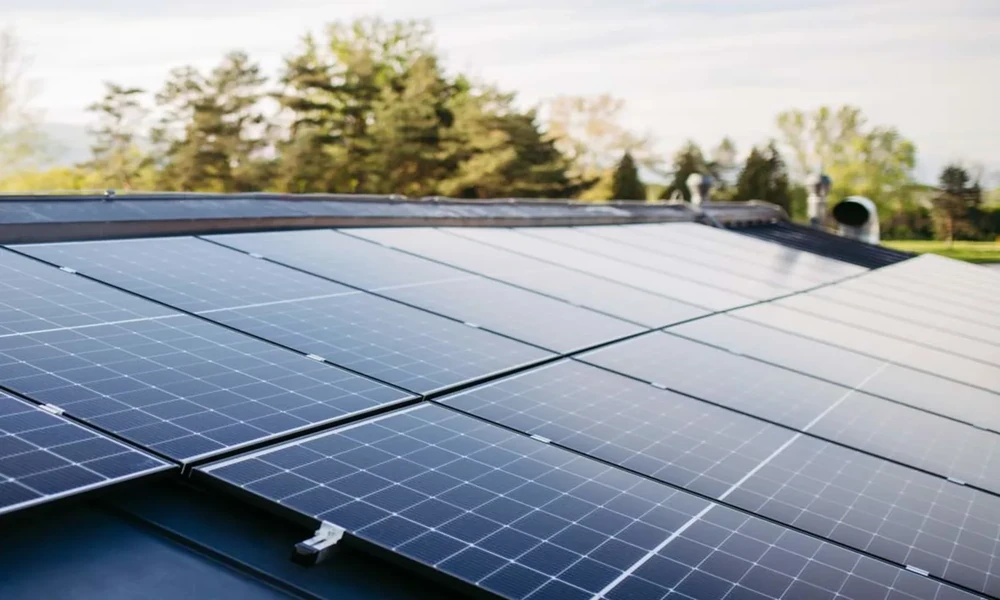
Solar quotes in North Orange County tend to arrive full of numbers about panel wattage, battery size and payback periods. What they rarely talk about is the surface all that equipment gets bolted to. That is a strange omission, because a residential array is built to produce power for 25 years or more, and it often sits on a roof that is already halfway through its own working life.
The two systems age on very different clocks. Good panels lose only a fraction of a percent of output each year, so they are still earning their keep decades from now. Asphalt shingles baking under the inland sun of Fullerton, Placentia or Yorba Linda usually manage 20 to 25 years before they need replacing. When the roof gives out first, the panels have to be unwired, pulled off, stored and reinstalled, and that detour can add several thousand dollars to a project that was supposed to save money.
Homeowners who want to avoid that mismatch often find it easier to work with one crew that understands both trades. Brea Roofing has been family owned and operated in Orange County for more than 43 years, holds GAF Master Elite certification that fewer than 3% of licensed California roofers earn, and installs GAF’s roof-integrated DecoTech panels as part of the roof system rather than on top of it. Its Golden Pledge installations carry a 50-year material warranty alongside 25 years of labor coverage, which lines up neatly with the life of a solar array.
Counting Birthdays Before Counting Kilowatts
The first thing to figure out is how old your roof really is. Permit records at the city, the original home inspection, or even a dated receipt in a kitchen drawer can settle it. Once you know, the decision usually falls into one of three places.
Younger than about ten years. A roof in this range generally has plenty of life left to host panels. A careful inspection for lifted shingles, cracked pipe boots and worn valley flashing is still worth doing, since those small fixes are far cheaper before the array covers them.
Somewhere between ten and eighteen years. This is the gray zone where most arguments happen. The roof may look fine from the driveway, yet the panels will outlast it. Many homeowners in this bracket choose to replace only the section under the array, or to reroof entirely if the price difference is modest, simply to reset both clocks together.
Past eighteen years or showing its age. Curling edges, bald spots where granules have washed into the gutters, or soft decking underfoot all point in one direction. Putting new panels on a tired roof is a bit like buying new tires for a car with a failing transmission.
Tile Roofs Keep a Secret Under the Surface
Neighborhoods across Yorba Linda, Diamond Bar and Chino Hills are full of concrete and clay tile roofs from the 1970s through the 1990s. Tile itself can last 50 years or longer, which leads many owners to assume their roof is nearly permanent. The catch sits underneath. The felt or synthetic underlayment below the tile is the actual waterproofing layer, and older felt commonly breaks down somewhere around the 20 to 30 year mark.
That means a tile roof can look handsome from the street while the layer doing the real work is brittle and torn. Solar on tile also brings its own handling issues. Installers walking across tile crack pieces easily, and mounts need proper tile hooks or replacement flashing rather than a shortcut that leaves a gap for water. A good contractor will lift a few tiles near the planned array and show you the underlayment before anyone orders panels.
Every Bolt Is a Door Water Could Use
A standard racked system is attached with lag bolts driven through the roof into the rafters, often dozens of them. Each one is a hole in a surface designed to shed water. When the attachment is flashed correctly and hits the rafter squarely, it can stay dry for decades. When it misses the framing, relies on sealant alone, or is installed by a crew that knows electrical work better than roofing, it tends to start dripping during the first real storm.
Roof-integrated systems take a different route. The panels sit low and are flashed into the shingle field much like a skylight, so water flows around them the same way it flows around the rest of the roof. They also sit closer to the surface, which removes the shady gap underneath where pigeons love to nest. Anyone who has listened to birds cooing under their panels at dawn knows that is not a minor perk. If you do go with racked panels, ask about mesh critter guards around the perimeter from the start.
Sun, Santa Anas and the Occasional Downpour
Southern California weather is kind to people and harder on roofs than it looks. Relentless UV slowly cooks the oils out of asphalt shingles, which is why south and west facing slopes, the exact ones solar favors, usually wear out first. Santa Ana winds add uplift along the edges of panels and can peel loose shingles that were already fragile. Then comes a winter storm that dumps several inches of rain in two days, finding every weak attachment that months of dry weather concealed.
There is one small upside. Panels shade the roof beneath them, which can take some heat load off the attic and slow the aging of the covered shingles. That benefit only matters, though, if the roof underneath started out healthy.
Questions Worth Asking at the Kitchen Table
Before signing any solar or roofing contract, it helps to put a few pointed questions to whoever is bidding.
- Who warrants the roof penetrations, the solar installer or the roofer, and for how long?
- How many attachments will go in, and how will you confirm each one lands in a rafter?
- Will you photograph the roof surface and underlayment before the panels go on?
- What would a future detach and reset cost if the roof ever needs work?
- Does installing solar affect the roofing manufacturer’s warranty on my existing roof?
The answers tell you a lot. A contractor who hesitates on the first question is quietly telling you that a leak would become your problem to sort out.
Treating Two Projects as One Decision
The smartest solar installs in this part of Orange County start on the roof, not the electric bill. When the roof and panels are planned together, the warranties overlap, the attachments are handled by people who understand water, and nobody has to pay to take a working array apart halfway through its life. A single afternoon of inspection before the solar paperwork begins is the cheapest insurance a homeowner can buy.
