

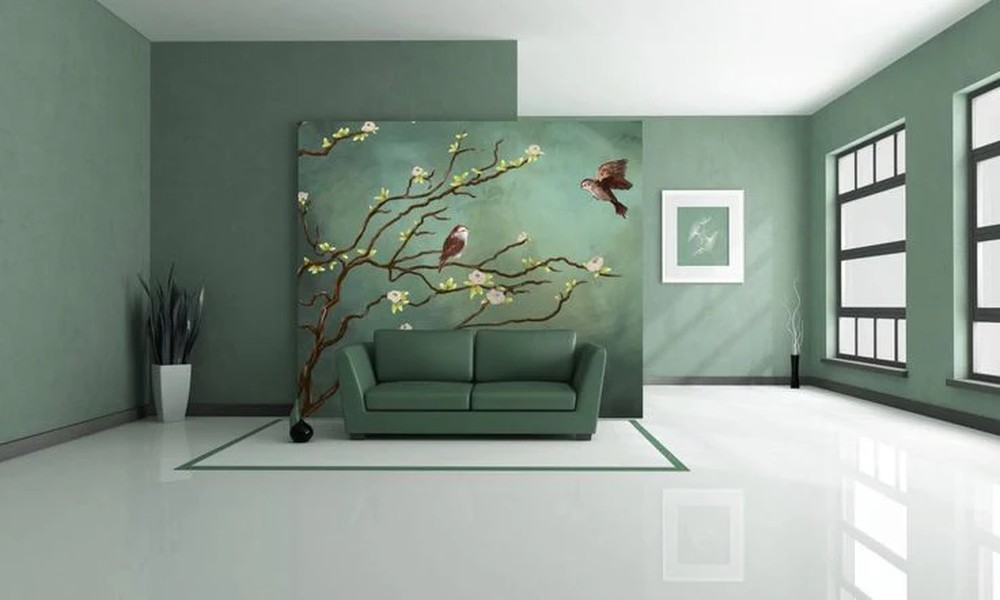
Coordinating your home décor with wallpaper is one of those design moves that can quietly transform a space from “nicely put together” to deeply intentional. Wallpaper sets the tone-it carries colour, pattern, rhythm, and sometimes even narrative. The rest of your room simply needs to listen, respond, and build on that story.
If done well, the result feels effortless. If done poorly, it feels like everything is competing for attention. The difference lies in understanding balance, repetition, and restraint.
Start With the Mood, Not the Pattern
Before you even think about matching colours or fabrics, ask yourself: what does this wallpaper feel like? Is it calm and tonal? Bold and graphic? Romantic and floral? Modern and geometric?
A soft botanical wallpaper, for instance, invites a room that feels layered, relaxed, and organic. A high-contrast geometric print leans more contemporary and structured. Your furniture, textiles, and accents should echo that mood-not fight it.
Think of wallpaper as the background score. Everything else is choreography.
Pull Colours-But Don’t Copy Them Blindly
A common mistake is trying to match everything exactly to the wallpaper. Instead, aim to pull colours from it.
Most wallpapers have a primary colour and a few secondary tones. Use the dominant shade as your anchor-perhaps in curtains, upholstery or larger furniture pieces-and bring in the secondary hues through accents like cushions, throws, or decor.
For example, if your wallpaper features muted sage, dusty pink, and cream, your sofa could live in the neutral family, while your textiles bring in the sage and pink in varying intensities.
This creates harmony without making the room feel overly “matched.”
Let One Element Lead
If your wallpaper is bold, let it be the star.
This means toning down other elements-simpler furniture silhouettes, quieter fabrics, and minimal clutter. On the other hand, if your wallpaper is subtle or textured (think grasscloth or faint stripes), you have more freedom to introduce stronger statement pieces elsewhere.
It’s all about visual hierarchy. Not everything needs to shout.
Balance Pattern With Solids
Mixing patterns can be beautiful-but only when done with intention.
If your wallpaper is heavily patterned, balance it with solid fabrics in your upholstery and window treatments. For example, if your wallpaper features a bold floral pattern, let your windows don plain custom roman shades. This gives the eye a place to rest. Alternatively, if you want to introduce additional patterns (like in cushions or rugs), keep them in the same colour family and vary the scale.
Large-scale wallpaper pairs well with smaller, quieter patterns. Too many large patterns together can feel overwhelming.
Window Treatments: The Quiet Connector
Window treatments are where everything can come together seamlessly.
They sit at the intersection of walls, light, and furniture-making them one of the most powerful tools in tying a room together. This is where thoughtfully chosen custom curtains can make all the difference. Instead of settling for something generic, choosing fabric that either echoes a colour from your wallpaper or complements its mood helps anchor the entire space.
For a room with intricate wallpaper, opt for curtains in a solid fabric that pulls one of the softer tones from the pattern. Linen, cotton, or light blends work beautifully to soften the look.
If your wallpaper is minimal or textural, you can afford to go richer-perhaps a subtle weave, a tonal stripe, or even a slightly deeper shade for contrast.
Layer Textures for Depth
Wallpaper already brings a layer of visual texture-even if it’s printed. To complement this, introduce physical textures in the room.
Think:
- Soft woven throws
- Wooden furniture with visible grain
- Ceramic or stone decor pieces
- Upholstery with subtle texture
These elements prevent the room from feeling flat and add richness without overwhelming the wallpaper.
Consider the Room’s Lighting
Lighting can dramatically affect how wallpaper and décor interact.
Natural light tends to soften colours, while artificial lighting can either warm them up or cool them down depending on the bulb. Before finalizing your decor, observe how your wallpaper looks at different times of day.
This is particularly important when choosing fabrics for curtains or shades. What looks like a perfect match in the afternoon might feel slightly off in the evening under warm lighting.
Keep Furniture Grounded
When working with wallpaper, especially bold designs, your furniture should feel grounded and intentional.
Avoid overly ornate or busy furniture if your wallpaper is already detailed. Clean lines, classic shapes, and timeless materials tend to work best. This doesn’t mean your furniture has to be boring-it just needs to complement, not compete.
Neutral sofas, wooden tables, and upholstered chairs in solid fabrics often create the perfect base.
Don’t Forget the Ceiling and Floor
It’s easy to focus entirely on walls and forget the rest of the room.
Floors should balance the visual weight of the wallpaper. If your walls are busy, a simpler rug works best. If your wallpaper is subtle, you can introduce a more patterned rug to add interest.
Ceilings, too, play a role. Keeping them light and neutral helps maintain balance, especially in rooms with strong wallpaper designs.
Edit Ruthlessly
Once everything is in place, step back and edit.
Remove anything that feels unnecessary or distracting. Wallpaper already brings a lot to the table-you don’t need excessive decor competing for attention.
A well-coordinated room often feels slightly restrained. That restraint is what allows each element to shine.
Final Thoughts
Coordinating home décor with wallpaper isn’t about strict rules-it’s about creating a conversation between elements.
Let your wallpaper set the tone. Pull from its colours, respect its mood, and build around it with intention. Use grounding elements like custom curtains, rugs, or versatile choices like neutral-toned furnishings to tie everything together.
When done right, the result isn’t just a decorated room-it’s a space that feels cohesive, layered, and quietly confident.
