

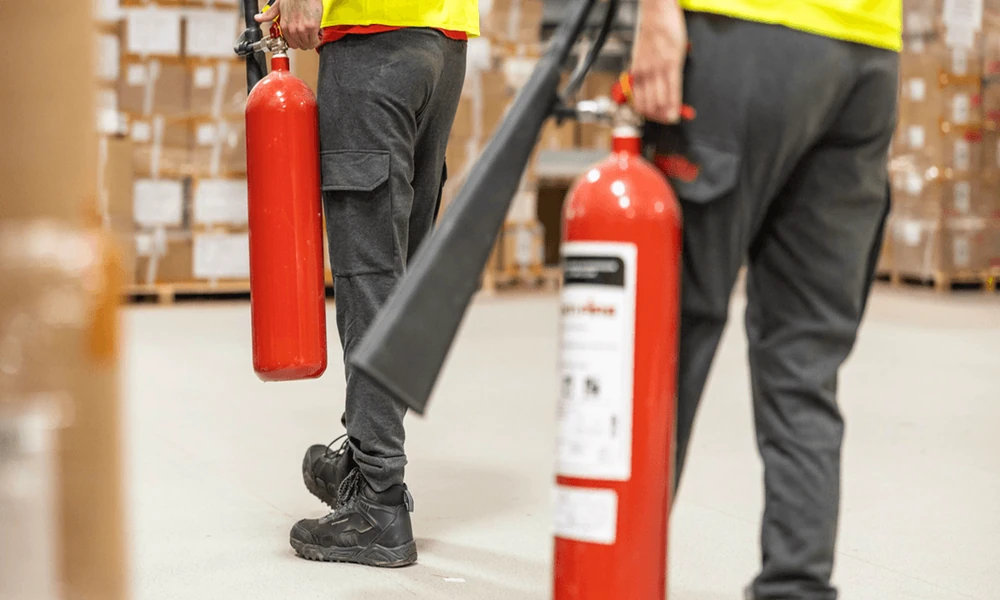
A building isn’t suddenly safe just because a fire alarm, sprinkler alarm, or other protective equipment is out of service. Fire watch security services can offer another set of trained eyes on the property, until normal protection is restored. Property owners and managers need to be aware of the role of fire watch in fire code compliance.
To navigate these requirements effectively, utilizing qualified fire watch security services helps bridge the gap between unexpected system failures and full code compliance. Experienced providers ensure that trained personnel are deployed to conduct active patrols, maintain detailed records, and work directly with local authorities to keep your building secure and legally compliant throughout the outage.
What is a Fire Watch?When a necessary fire protection system is impaired, unavailable or operating improperly, a temporary monitoring of the fire protection system is provided; this is called fire watch. The property is patrolled by trained staff who check for the signs of fire or other dangers and take appropriate action should an emergency arise. They are not a replacement for a working alarm or sprinkler system. Fire watch is a temporary measure to help minimise risk until the root cause is resolved.Fire codes may require it for the following reasons:Fire codes are intended to ensure that people and property are protected in the event of a fire. A fire watch is required where critical protection systems are removed from service, depending on the type of impairment, the local requirements, the authority having jurisdiction and the building. A large sprinkler issue or prolonged outage of the alarm may leave the occupants unprotected from what they expect to have available. Fire watch is a method for human surveillance throughout that critical time. Specific requirements may differ and the property manager should check with the local fire authority or other responsible authority to ascertain what is applicable to their property.Fire Watch personnel’s job is not to sail the boats. A fire watch guard should not be passive by standing by the door and waiting for a fire to occur. They are observers who are actively engaged in their work. If it is part of their patrol schedule, they can inspect for smoke, flames, unusual heat, blocked exits, unsafe storage, electrical hazards, combustible materials and other conditions that may make a fire more likely. In the event of a fire or serious hazard, they will follow the emergency procedures outlined in the property, notify the relevant emergency services, warn occupants as necessary, and assist them in evacuation.Documentation MattersA paper trail is also left by good fire watch service. The time, observations, hazards, incidents and actions taken should be accurately recorded during the patrol. The logs can be used to help property managers document that the required monitoring was being conducted, and can be helpful to building owners, contractors, inspectors or fire officials.Fire Watch Does Not Substitute for Repairs.A frequent error is to use fire watching as a cure for the original problem. It is not. Even if an alarm system has failed, the aim should be to repair and restore it as soon as reasonably practicable. This is also true of sprinkler systems and other fire protection equipment. Fire watch – temporary protection when regular protection measures are not available.Keeping Compliance PracticalFire code compliance may seem like a complex issue but the principle is quite simple: find the risk, temporarily protect, document and reopen the system as soon as possible.
