

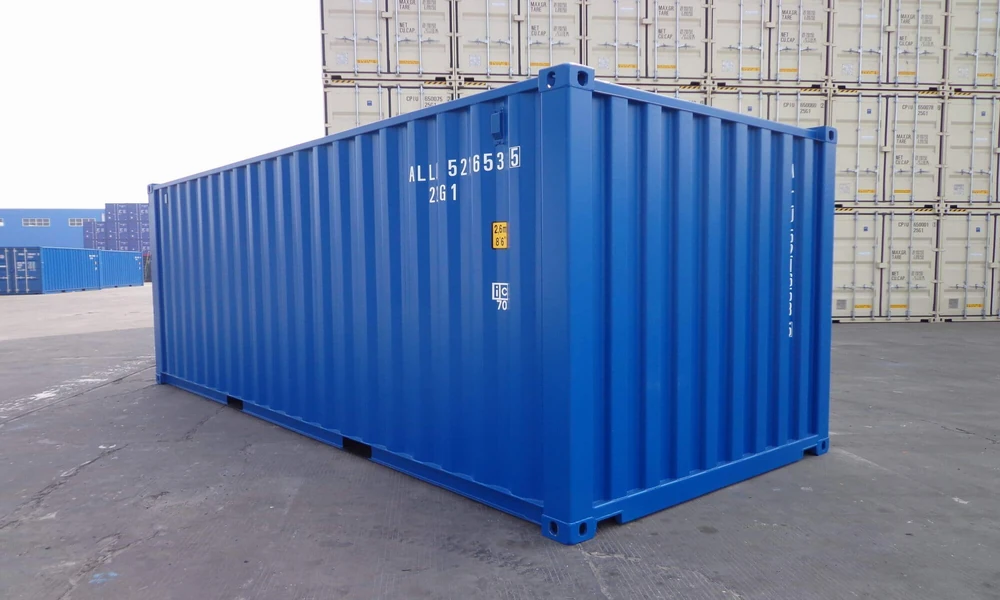
You already know what a container can do. What you need is confidence that you are choosing the right unit, for the right price, from the right source. I focus on condition, fit, logistics, and long-term value. If you want to compare options quickly, start with used storage containers that are wind and water tight, secure, and backed by a local team.
I judge solutions by how they perform under daily use, not by glossy photos. The guidance below comes from practical checklists and field-proven setups. You will see how to pick the right size, prep your site, plan delivery, and choose a vendor. You will also see why I recommend MoCan Containers for buyers and renters across Montana.
Why Used Containers Make Sense
Used containers are a smart choice if you need dependable storage without paying new-unit prices.
- Lower upfront cost with strong steel construction
- Lockable, weatherproof storage that stands up to rough sites
- Quick delivery to your location with simple placement
- Easy to move or repurpose as your needs change
- Long service life with basic care
If you accept cosmetic wear like faded paint or dents, you can get real value without giving up security or durability.
Fit by Sector: What Works and Why
Farms and Ranches
- Store feed, seed, fencing tools, PTO attachments, and spares
- Keep chemicals and treated seed away from animals and weather
- Stage harvest gear near the field to cut travel time
- Add shelving, vents, and lighting for safer handling
Businesses and Retail
- Secure overflow and seasonal inventory on site
- Keep fixtures, promotional materials, and packaging in one spot
- Use a clean one-trip unit up front and a used unit in back
- Reposition as leases change or growth accelerates
Construction and Trades
- Lock tools, fasteners, and small equipment on site
- Stage materials near the work area to cut delays
- Separate high-value gear with internal cages or partitions
- Keep paperwork dry and secure with a desk corner
Sizing and Specs That Matter
You can do almost anything with a 20-foot or 40-foot unit. Know the numbers before you choose.
- 20-foot container
- Exterior: 20 ft long, 8 ft wide, 8 ft 6 in high
- Interior: about 19 ft 4 in long, 7 ft 8 in wide, 7 ft 10 in high
- Doors: about 7 ft 8 in wide and 7 ft 5 in high
- Weight: about 4,920 pounds
- Best for tighter sites, home projects, small farms, and mobile setups
- 40-foot container
- Exterior: 40 ft long, 8 ft wide, 9 ft 6 in high
- Interior: about 39 ft 5 in long, 7 ft 8 in wide, 8 ft 10 in high
- Doors: about 7 ft 8 in wide and 8 ft 5 in high
- Weight: about 8,600 pounds
- Best for bulk inventory, machinery, and larger projects
- Some units come in high-cube height for extra headroom
Rent or Buy: How to Decide
Rent if your timeline is short or your needs are likely to change. Buy if you want control and long-term stability.
- Rent for moves, renovations, short builds, and seasonal surges
- Typical starting rates in Montana with MoCan: about $150 per month for 20 ft and $190 per month for 40 ft, depending on availability and condition
- Extend month to month if your project runs long
- Buy for permanent storage, workshops, or custom builds
- Used units cut costs and still protect gear
- Add shelves, power, windows, and security features
Vendor Check: Why I Recommend MoCan Containers
If you are in Montana, I suggest you consider MoCan Containers. They are a locally owned, family-run company with yards in Billings and Bozeman. Since 2016, they have supported homeowners, businesses, ranchers, and contractors across the state.
Here is what stands out:
- Large, rotating inventory of new one-trip and used containers in 20 ft and 40 ft sizes
- Transparent condition standards with wind and water tight units
- Option to visit the yard and pick the exact container you want
- Competitive rental pricing and purchase options
- Professional delivery with tilt-bed trailers and careful placement
- Custom modifications for workshops, offices, retail setups, and ag use
- Moving services for containers you already own
They make selection simple, delivery clear, and support direct. That combination saves time and risk for you.
Site Prep and Delivery Basics
Plan your site before the truck arrives. This prevents delays and protects your container.
- Space for delivery
- 20 ft unit: about 70 feet of straight, clear space
- 40 ft unit: about 100 feet of straight, clear space
- Provide room for the truck to maneuver
- Ground prep
- Use a level pad with compacted gravel, timber runners, or concrete blocks
- Keep the base above standing water
- Orient doors on higher ground for easier opening in winter
- Access
- Clear low branches and overhead lines
- Mark the final position so the driver can place it once
MoCan’s team can review the site plan with you in advance and help you avoid common placement problems.
How to Inspect a Used Container
Use this quick list before you sign:
- Stand at the door and look along the roof line for sagging
- Step inside, close the doors, and look for daylight
- Check door hinges, locks, and gaskets for smooth action and tight seals
- Inspect floors for soft spots and strong fasteners
- Note rust areas. Surface rust is common. Avoid deep pitting
- Check the corner posts, top rails, and cross members for solid welds
If you plan to modify the unit, tell the vendor what you want. Ask for vents, security lock boxes, windows, or electrical prep if needed.
Budget and Care Tips
Plan the full cost to avoid surprises.
- Upfront: container price or rental, delivery, and placement
- Site: gravel, blocks, or a small pad
- Security: a high security lock and lock box
- Setup: shelving, lighting, vents, and paint touch ups
For care:
- Keep the roof clear of standing water and heavy snow
- Touch up paint on bare metal to control rust
- Lubricate door hardware before winter
- Keep vegetation trimmed around the base
Practical Layout Ideas You Can Use
- Farms: shelving on one wall for chemicals, pallet zone for seed, vent near the rear
- Retail: center aisle with pallet racks, labeled bays for seasons
- Construction: heavy tools near doors, small parts bin wall, lockable cabinet for high-value items
- Workshop: workbench at the end, power outlets along one side, LED strips above
Used containers work because they are simple, strong, and predictable. With the right vendor and a short checklist, you can set up secure, weatherproof storage fast, keep your assets organized, and stay focused on the work that matters.
