It’s summer in Northern California, the sun is blazing over rooftops in Sacramento and Stockton, and your AC is humming outside, trying its best to cool your home. You walk past the outdoor unit, and it feels like it’s sitting on the sun itself.
So, you ask the big question: Is the sun harming my AC unit? The straight answer? Yes, more than most homeowners realize. But here’s the twist: the sun isn’t the only issue. Placement is where the real battle begins.
Let’s talk about your AC’s favorite place to sit. Most homeowners think outdoor units are fine anywhere as long as they’re outside.
But is anywhere really fine? Not exactly. The AC unit is built to survive heat, rain, and wind, but constant direct sunlight adds stress that silently increases energy use and speeds up wear.
Think of it like standing in the sun versus in the shade. Sure, you survive in both, but one is definitely easier. Your AC prefers the easier one, too.
Why Sunlight Makes Your AC Struggle
An outdoor AC unit releases the heat it pulls from your home using condenser coils. But when the surrounding air is already super hot because of direct sunlight, the unit finds it harder to dump that heat.
The result? Longer cooling time and more power use. Does that increase your bills? Yes. Could it shorten your system’s life? Also yes. So, should you worry? You should, but you shouldn’t panic because this can be prevented.
AC Placement Checklist Every Homeowner Should Know
Here are simple questions that matter: Did you know strong placement beats a strong unit? Ever saw an overheated compressor? No? That’s because the damage builds inside, not outside.
Indoor and Outdoor Placement That Works
Indoor Unit: It must stay away from stoves, lamps, electronics, or anything that creates extra heat. These mess with thermostat readings and airflow.
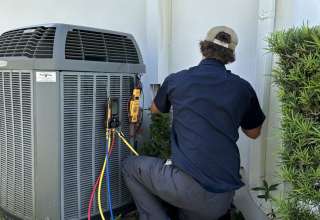
Outdoor Unit: It should sit on a flat surface, fully stable, with airflow clearance, and ideally shaded. But does shaded mean boxed in? No. Never block it. Air needs to flow around the unit freely or it overheats.
Best Fixes To Protect Your AC
Pointers For Pre-Installation
- Improve Insulation: Attic and wall insulation reduces heat load.
- Seal Air Leaks: Close gaps around doors and wiring entry points.
- Shade Planning: Tree shade or sun shields help; walls or plants should not block airflow.
- Ground Level: Unit stands help if installed low to avoid standing water or ground heat buildup.
During Installation
Technicians must ensure the unit is level, correctly spaced, properly wired, and not touching load limits mechanically or electrically.
Final Thought
Proper placement doesn’t just save comfort, it saves money, time, and avoids 100°F side-eye from your neighbors when the unit grows louder every summer, too.
Sacramento and Stockton trust Bell Brothers for precise HVAC solutions that keep homes cool, efficient, and long-lasting.