

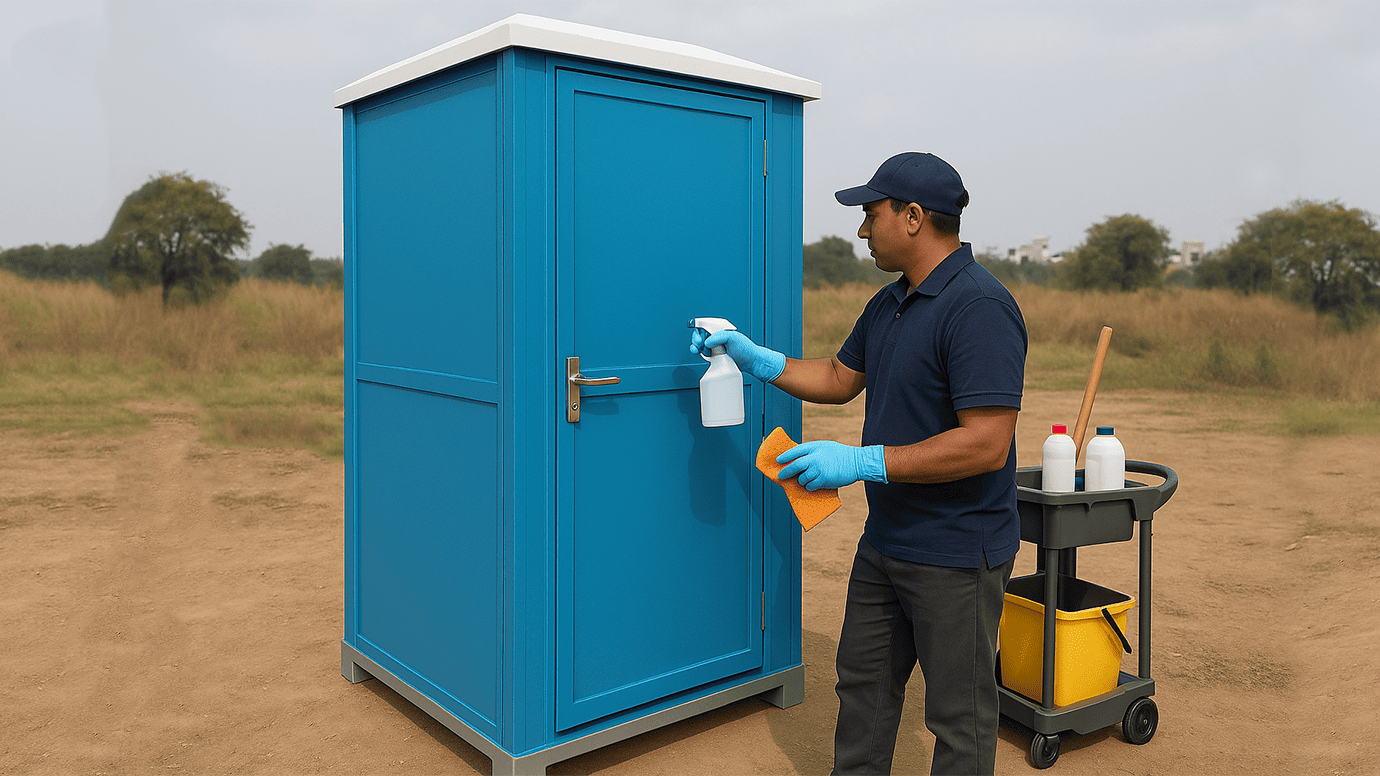
Outdoor events have transformed from small community gatherings into full-scale productions that attract thousands of people. Whether it’s a weekend festival, a sports event, or a worksite function, one thing remains constant: people need clean, reliable restroom facilities. That’s where a portable toilet comes in. These compact sanitation units play a vital role in keeping guests comfortable, maintaining hygiene standards, and supporting environmental goals.
The concept of temporary sanitation has come a long way. Modern portable toilets are engineered for efficiency, cleanliness, and sustainability. They’re not just plastic boxes anymore; they’re carefully designed systems that blend technology, convenience, and eco-conscious operation.
The Role of Sanitation in Outdoor Event Planning
No successful event runs smoothly without proper sanitation. Portable toilets are one of the first logistical elements event planners must secure. The ratio of toilets to guests often determines crowd satisfaction and compliance with local health regulations.
For example, Safe Work Australia and event planning guidelines typically recommend one toilet per 50–75 people for events lasting up to four hours, with additional units needed if food or alcohol is served. A shortage of restrooms can lead to long queues, hygiene issues, and poor attendee feedback.
A clean, well-maintained restroom setup also signals professionalism. Guests appreciate the thoughtfulness of organisers who prioritise comfort and cleanliness. It reflects directly on the event’s reputation and the organiser’s brand image.
How Portable Toilets Keep Events Hygienic and Efficient
The mechanics behind portable toilets are surprisingly advanced. Each unit uses a self-contained waste storage system, flushing mechanism, and chemical treatment to break down waste and control odors.
For those curious about the science and internal operation, the team at Instant Toilets & Showers explains it clearly in their feature on how portable toilets work, offering insight into the balance of sanitation and engineering that keeps these systems effective in high-traffic conditions.
At large events, waste is collected and safely transported to treatment facilities using vacuum trucks. This closed-loop system ensures hygiene while reducing environmental contamination. The use of non-toxic, biodegradable chemicals further enhances sustainability and public safety.
Choosing the Right Portable Toilet Setup
Not all events have the same requirements. Choosing the right mix of units depends on guest numbers, event type, and site conditions.
1. Standard Portable Toilets
These are ideal for short-term public events or construction sites. They come with hand sanitiser dispensers, ventilation, and easy waste removal systems.
2. Deluxe or VIP Units
These feature handwashing stations, mirrors, interior lighting, and flushing systems. They’re suitable for weddings, corporate gatherings, or outdoor exhibitions where comfort is a priority.
3. Accessible Toilets
Designed for inclusivity, accessible units provide extra space, handrails, and ramp access, ensuring that all guests can use facilities safely.
4. Portable Showers and Toilets Combo
For multi-day events or festivals, portable bathrooms with integrated showers improve hygiene and guest satisfaction.
Before finalising, assess the terrain, water availability, and waste removal logistics. Partnering with a reliable supplier ensures proper setup, cleaning schedules, and quick maintenance response during the event.
Environmental Impact and Sustainability Benefits
Sustainability has become a central focus of modern event planning. Portable toilets reduce the strain on permanent plumbing systems and limit water wastage. Many advanced models use minimal water, some only a few hundred millilitres per flush compared to several liters in traditional toilets.
Biodegradable chemicals, solar-powered ventilation, and waste recycling programs contribute to a cleaner, greener event footprint. For large-scale festivals, portable sanitation can reduce environmental impact while still meeting regulatory requirements for health and waste management.
Eco-Friendly Tips for Event Organisers
- Choose suppliers who use eco-certified cleaning agents and biodegradable chemicals.
- Rent toilets with water-saving or vacuum flush systems.
- Arrange regular servicing schedules to prevent overflow and odours.
- Provide hand sanitiser and sinks to encourage hygiene.
- Promote waste segregation and recycling in restroom areas.
These practices align sanitation with environmental responsibility, which today’s attendees appreciate and expect.
Portable Toilets and Worksite Safety
Portable toilets aren’t just for festivals or parties; they’re also essential on construction and mining sites. Regulations often require a minimum ratio of toilets per worker, depending on gender distribution and site duration.
Having accessible facilities boosts worker morale and productivity. Employees no longer have to leave the site to find a restroom, saving time and maintaining workflow efficiency. Properly maintained toilets also help prevent cross-contamination and disease spread, creating a safer work environment.
Addressing Common Myths About Portable Toilets
Despite their widespread use, portable toilets sometimes carry outdated stereotypes. Many people still imagine smelly, unhygienic boxes from decades ago. In reality, today’s units are vastly improved.
Myth 1: Portable Toilets Are Unsanitary
Modern designs include ventilation systems, odor-neutralising chemicals, and antibacterial surfaces that make them as clean as indoor restrooms when serviced correctly.
Myth 2: They Waste Water
Most portable toilets are water-efficient, with recirculating flush systems or chemical alternatives that conserve resources.
Myth 3: They’re Only for Construction Sites
From luxury weddings to music festivals, portable restrooms are now part of high-end event setups. Deluxe models can even include temperature control, mirrors, and ambient lighting.
Real-World Examples of Successful Sanitation Planning
1. Outdoor Music Festivals:
Large festivals like Splendour in the Grass in Australia use hundreds of portable units to manage crowds efficiently. Event organisers schedule continuous cleaning rotations to keep facilities fresh across multi-day periods.
2. Construction Projects:
On major infrastructure builds, companies use portable restroom clusters supported by vacuum waste trucks. This setup ensures compliance with workplace health laws while minimising downtime.
3. Community Sports Events:
Councils hosting weekend tournaments often rent portable toilets to support large attendance at parks that lack permanent restrooms. Units are positioned strategically near food stalls and entry points.
Each example highlights how portable sanitation supports comfort, hygiene, and compliance across various industries.
The Future of Portable Sanitation
As event standards evolve, so do sanitation expectations. The future points toward smart portable toilets equipped with sensor-based maintenance alerts, solar charging systems, and water recycling technology. These innovations will further reduce environmental impact and improve service efficiency.
Manufacturers are also exploring biodegradable materials for unit construction, reducing plastic waste from old models. Combined with digital scheduling for cleaning and pickup, the next generation of portable toilets will be even more sustainable and cost-effective.
Final Thoughts
Comfort and hygiene are the foundation of a positive outdoor experience. Whether it’s a worksite, a wedding, or a weekend festival, the right sanitation setup keeps everything running smoothly. A portable toilet is not only practical but also essential for maintaining safety, compliance, and guest satisfaction.
Choosing reliable, modern units and trusted suppliers ensures that everyone from workers to event attendees feels comfortable and cared for. Clean, efficient facilities elevate the entire experience, proving that small details often make the biggest difference.
