

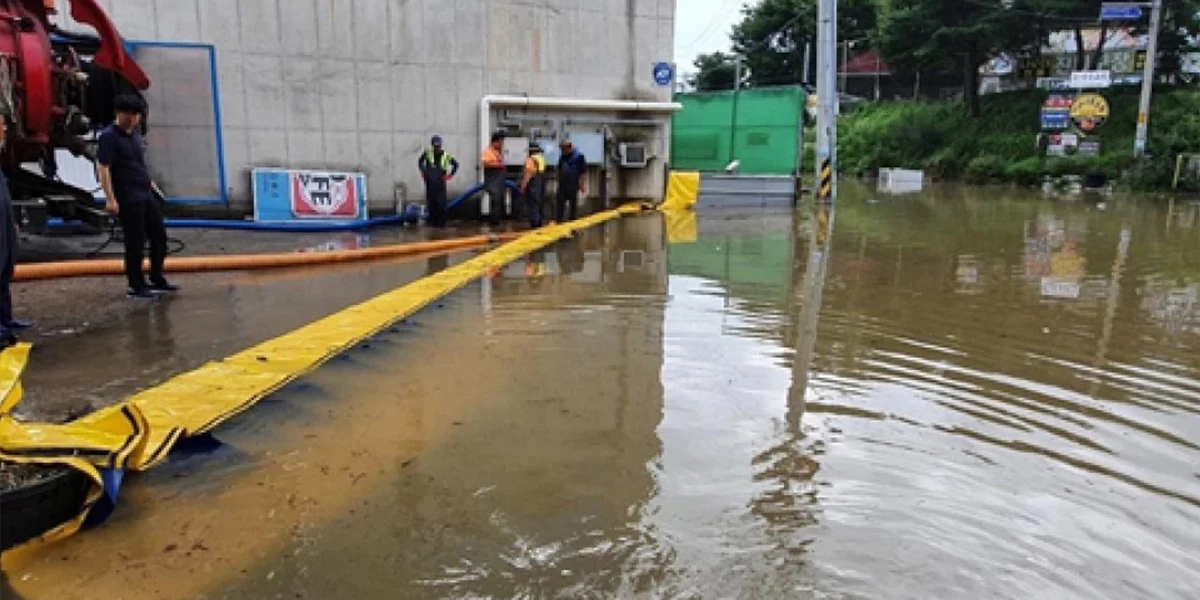
It is essential to keep the cleanup process confined to specific areas. The flood damage cleanup service should set up proper barriers. This approach reduces the spread of harmful contaminants, ensuring the safety of both the property and the people involved. Floodwaters often carry debris, bacteria, and other hazardous materials, making it crucial to isolate affected zones. By containing the cleanup, professionals can prevent further damage and contamination.
Here are five ways that using barriers helps in flood damage cleanup by reducing exposure to harmful substances.
Isolating contaminated areas
The primary function of setting up barriers is to isolate areas contaminated by floodwater. This prevents the spread of waterborne contaminants, such as bacteria or sewage, to unaffected parts of the property. Temporary barriers made of plastic sheets or other materials are used to cordon off flooded areas, allowing the cleanup crew to focus on one section at a time without risking further contamination.
Protecting unaffected areas
During a flood cleanup, it is essential to protect the parts of the home or business that were not affected by the water. Barriers help to seal off these areas, ensuring that dust, debris, and contaminants from the cleanup do not spread. This reduces the need for additional cleanup and safeguards personal belongings in unaffected rooms, keeping them free from exposure.
Containing hazardous materials
Floodwaters often carry hazardous materials such as chemicals, sewage, or oil, which can be dangerous if spread throughout the property. Barriers help contain these harmful materials in one area, preventing them from contaminating other parts of the building. This makes the cleanup process safer for both the workers and the property’s occupants.
Reducing mold spread
Mold growth is a common issue after flooding, and spores can spread easily through the air. Barriers keep mold spores confined to affected areas, reducing the likelihood of them spreading to other parts of the property. By controlling the airflow and limiting the movement of contaminated air, barriers play a crucial role in preventing mold from becoming a widespread problem.
Ensuring safe cleanup operations
By keeping the cleanup confined to specific areas, barriers allow workers to perform their tasks more safely. They reduce the risk of cross-contamination between rooms, making it easier to manage the cleanup process step by step. This organized approach helps professionals address each affected area more efficiently, ensuring a thorough and safe restoration.
To conclude
Setting up barriers during flood damage cleanup helps isolate contaminated areas, protect unaffected zones, contain hazardous materials, reduce mold spread, and ensure safe cleanup operations.
