

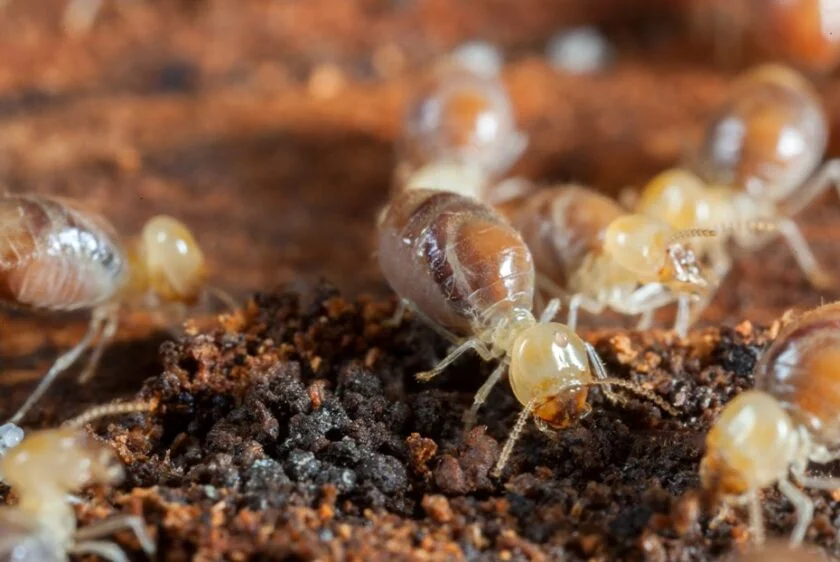
People frequently misunderstand termites in Colorado. There are a lot of misconceptions regarding these insects that can seriously harm our houses. Many people have misconceptions because they hear from multiple sources that do not share the right information.
When there is an infestation, it is always important to rely on facts rather than randomly heard advice. Speak with the Colorado Springs exterminators if you suspect termites are present. It is necessary to dispel the following myths regarding termites.
Termites are ants
Many people hold this opinion. Although they belong to separate insect orders, termites and ants, both dwell in groupings known as colonies. More termites are associated with cockroaches than with ants. In contrast to ants, termites have thick waists and straight antennae.
Only warm environments are suitable for termite life.
It is a common misconception that termites only inhabit warm environments. While some termite species prefer warmer climates, others thrive in colder climates.
Even in regions with harsh winters, these hardy pests may survive and even thrive in a variety of climates. This implies that people should constantly be alert for termite outbreaks in any location.
Brick homes are impenetrable to termites.
Many individuals are mistaken when they claim that termites cannot harm brick homes. But this is a dangerous misconception. Even if a brick home appears impenetrable from the outside, termites can still enter with ease. They can follow utility lines, gnaw through cement, and enter through foundation gaps to reach the timber structure within a building.
Since your neighbor treated their home for termites, termites will visit yours.
Since their neighbors received termite treatment, some homeowners are terrified that termites may infiltrate their house. However, this is unlikely. Termite nests are tricky and frequently quite large.
Your neighbor’s treatment of them may annoy a tiny portion of the colony, but it is unlikely to force them to relocate to your home. However, it is crucial to keep in mind that termite infestations can spread, therefore all homeowners should be vigilant and conduct routine inspections.
DIY termite treatments are equally effective as expert assistance.
Although DIY termite treatments may seem like a cost-effective solution, they are not always effective enough to keep the pests away. With various termite species, population levels, and infestation locations, termite invasions can be complex.
Expert exterminators have the know-how and specific equipment necessary to accurately identify the termite species, locate the colony, and implement the best treatment strategy. The basis of the issue is frequently not addressed by do-it-yourself methods, which can result in persistent outbreaks and serious structural damage.
Beyond the myths, learn about termite behavior.
Termites are complex creatures with distinct social structures. They have workers, soldiers, and reproductives, and they reside in groupings called colonies.
Workers locate food, keep an eye on it, and tend to the youngsters as soldiers guard the settlement. Reproductives establish new colonies. Termites cause a lot of damage to homes because they consume wood.
What should you do if you suspect termites?
If you think termites might be in your home, you need to move quickly. Early diagnosis and treatment can keep damage from getting worse and fixes from being too expensive.
- Do an in-depth inspection: Look for mud tubes, wings that have been thrown away, and damage to the wood that could be caused by termites.
- Get in touch with a professional exterminator: A trained professional in pest control can accurately figure out how bad the problem is and suggest the best way to treat it.
- Take steps to stop termites from coming in: Regular inspections, good landscaping, and keeping the area around the foundation dry can all help.
If you know the truth about these common myths and take action, you can keep termites from destroying your house.
