

Historical Use of Asbestos in Construction Materials
Asbestos became a popular material in construction during the 20th century due to its durability, heat resistance, and affordability. It was widely used in homes, offices, and industrial buildings, often hidden in materials like insulation, tiles, and sealants. By the 1930s through the 1980s, asbestos was a staple in construction materials, including those used in windows and door frames. Its inclusion in these areas was primarily for fireproofing and weatherproofing purposes, making it a go-to choice for builders of the time.
Common Locations of Asbestos in Older Homes
In older homes, asbestos can be found in several places, particularly in:
- Window putty and caulking used to seal glass panes and frames.
- Door frame joints and seals designed to prevent drafts and retain heat.
- Insulation materials surrounding windows and doors for temperature control.
These materials may not pose a risk when intact but can release harmful fibers if disturbed. Homeowners often overlook these hidden sources, assuming asbestos is limited to insulation or roofing materials.
Why Asbestos Was Used in Window and Door Frames
The decision to use asbestos in windows and door frames was largely driven by its unique properties. It provided:
- Fire resistance: Asbestos helps prevent the spread of flames, a critical feature in building safety.
- Durability: The material could withstand wear and tear from exposure to weather and time.
- Thermal efficiency: Asbestos-containing putty and caulking reduced heat loss, making homes more energy-efficient.
While these benefits were compelling at the time, the long-term health risks of asbestos exposure were not well understood until much later. Today, the dangers far outweigh the advantages, and safer alternatives are now in use.
Health Risks Associated with Asbestos in Windows and Door Frames
How Asbestos Becomes Hazardous
Asbestos becomes dangerous when its fibers are disturbed and released into the air. This often happens during renovations, repairs, or natural wear and tear of materials like window putty or door caulking. Once airborne, these tiny fibers can be inhaled, lodging deep into the lungs. This is when asbestos transitions from being a dormant material to a serious health hazard. Over time, even minimal exposure can lead to significant health risks.
Respiratory Conditions Linked to Asbestos Exposure
Inhaling asbestos fibers can cause severe respiratory diseases, some of which may not appear until decades later. Common conditions include:
- Asbestosis: A chronic lung disease that results in scarring of lung tissue, causing shortness of breath and persistent coughing.
- Lung cancer: This risk increases significantly for individuals exposed to asbestos, especially smokers.
- Mesothelioma: A rare but aggressive cancer affecting the lining of the lungs, chest, or abdomen, almost exclusively linked to asbestos exposure.
Long-Term Impacts of Asbestos Exposure
The long-term effects of asbestos exposure can be devastating. Beyond respiratory illnesses, individuals may experience reduced lung function, chronic pain, and a diminished quality of life. Families are also affected, as secondary exposure can occur when asbestos fibers are brought home on clothing or tools. Early detection and awareness are key, but prevention remains the most effective safeguard against these irreversible health outcomes.
Identifying Asbestos in Window and Door Frame Materials
Visual Indicators of Asbestos-Containing Materials
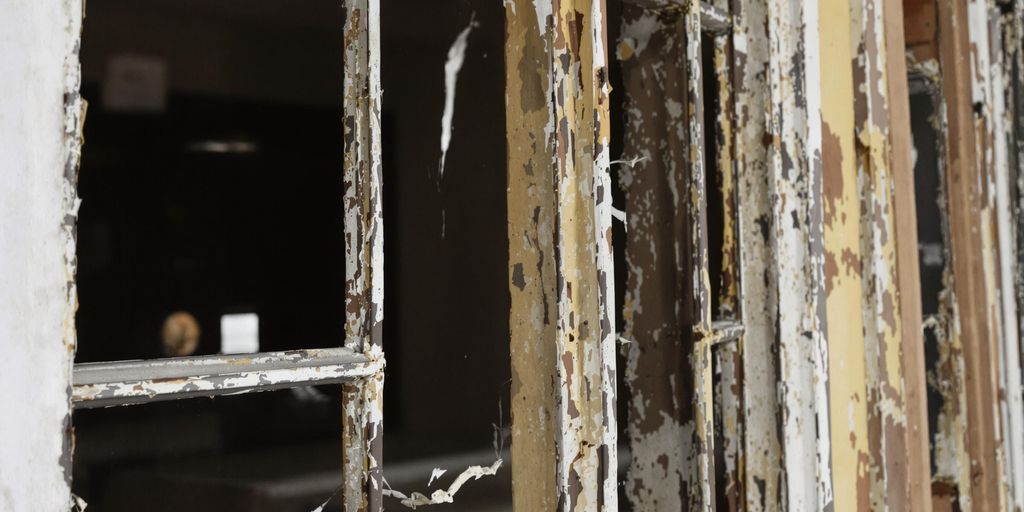
When examining windows and door frames, certain visual clues might suggest the presence of asbestos. For instance, older window putty—commonly used before the 1980s—can appear brittle, cracked, or crumbly. Asbestos-containing caulking often has a brown or dark gray color, and it may look worn or degraded from years of exposure. If you’re dealing with intumescent putty, which swells when exposed to heat, there’s a high chance it contains asbestos, especially in homes built before 1980.
Testing Methods for Asbestos Detection
Since asbestos fibers are microscopic, it’s impossible to confirm their presence visually. Testing is essential. Homeowners can collect samples of suspect materials, but this must be done with extreme caution to avoid releasing fibers into the air. It’s always safer to hire professionals trained in asbestos hazard inspection, as they follow EPA guidelines to ensure safety and compliance. Learn how to identify asbestos materials in buildings to better understand the risks.
When to Consult a Professional
If you suspect asbestos in your window or door frames, don’t take risks. Professionals have the expertise and equipment to handle potentially hazardous materials safely. They can perform thorough inspections and confirm whether asbestos is present. For situations involving damaged or friable materials, consulting a licensed inspector is not just advisable—it’s necessary. Asbestos hazard inspections are critical for ensuring your home remains a safe environment.
The Role of Asbestos in Window Putty and Caulking
Properties of Asbestos-Containing Putty
Asbestos was commonly added to window putty and caulking materials in older homes, particularly those built before the 1980s. This inclusion was not arbitrary—asbestos fibers provided exceptional strength and durability to these compounds. Additionally, asbestos improved the material’s ability to withstand extreme conditions, making it a go-to choice for sealing windows and door frames. These materials also remained flexible when applied but hardened over time, ensuring a tight and long-lasting seal against drafts, moisture, and heat loss.
Fire Resistance and Intumescent Qualities
One of the standout features of asbestos-containing putty was its fire resistance. Some formulations were even intumescent, meaning they would swell when exposed to high temperatures. This swelling created a barrier that slowed the spread of fire, protecting surrounding materials. Such properties made asbestos-based putties and caulks particularly desirable in areas where fireproofing was essential, such as around windows, doors, and even in industrial applications like boilers and stoves.
Common Brands and Products with Asbestos
Several manufacturers produced asbestos-containing putties and caulking products, many of which were widely used in construction. Some notable examples include:
- Bondex International, Inc.: Known for Penncraft Water Putty.
- Sherwin-Williams Paint Company: Produced Dexall Caulking Compound.
- Martin Marietta Co.: Makers of Dum Dum Caulk.
- DAP, Inc.: Manufactured Tharco boiler putty, which combined asbestos fibers with oil and pigments.
- Hercules Chemical Company and Synkoloid Company: Both contributed to the widespread use of asbestos in sealing products.
These products were valued for their performance but have since become a significant concern due to the health risks associated with asbestos exposure. Over time, as these materials age and deteriorate, they can release asbestos fibers into the air, posing a hazard to anyone nearby.
Precautions for Handling Asbestos in Windows and Door Frames
Safe Practices for DIY Homeowners
When dealing with potential asbestos in older windows and door frames, caution is paramount. DIY homeowners should avoid disturbing materials that may contain asbestos. If you suspect the presence of asbestos, testing should be the first step. Use a certified lab to confirm whether asbestos is present before proceeding.
Here are some low-risk activities you can safely perform:
- Cleaning window panes gently with a damp cloth.
- Painting over intact putty to seal it.
- Conducting visual inspections without disturbing the material.
Avoid high-risk actions such as sanding, grinding, or dry-wiping any material suspected of containing asbestos, as these can release harmful fibers into the air.
Protective Equipment and Tools
If you must handle materials that could contain asbestos, proper protective gear is essential. Equip yourself with the following:
- A certified respirator designed for asbestos protection.
- Disposable coveralls and gloves to prevent contamination.
- Safety goggles to shield your eyes from debris.
Always work in a well-ventilated area, and set up a containment zone using plastic sheeting to minimize the spread of asbestos fibers. Learn how to safely identify and remove asbestos from homes by following established safety protocols.
When to Avoid Disturbing Materials
In some cases, the safest option is to leave the material undisturbed. For example, if the window putty or caulking appears intact and undamaged, it’s best to avoid touching it. Damaged or crumbly materials, however, should be tested and addressed promptly by professionals. Remember, weathering can turn non-friable asbestos into a friable state, increasing health risks.
If in doubt, consult with a licensed asbestos professional to assess the situation and recommend the safest course of action.
Steps to Safely Remove Asbestos from Windows and Door Frames
Hiring Licensed Asbestos Removal Professionals
Removing asbestos from windows and door frames is not a task for the untrained. Licensed asbestos removal professionals have the expertise and equipment to handle this hazardous material safely. They follow strict protocols to minimize exposure and ensure compliance with local regulations. Homeowners should always verify that the contractor holds proper certifications and insurance. For added safety, consider scheduling an inspection with trained asbestos inspectors before beginning any renovation work.
Legal Requirements for Asbestos Removal
Understanding local laws surrounding asbestos removal is essential. Many jurisdictions require permits for handling and disposing of asbestos-containing materials (ACMs). Additionally, some areas mandate that only certified professionals can perform the removal. Ignoring these legal requirements could result in hefty fines or penalties. To avoid issues, homeowners should consult local building codes and ensure all paperwork is in order before starting the process.
Disposal of Asbestos-Containing Materials
Once removed, asbestos-containing materials must be disposed of in accordance with environmental regulations. These materials are typically sealed in airtight, labeled bags and transported to designated hazardous waste facilities. Attempting to dispose of asbestos in regular trash bins is illegal and poses a serious health risk. Professionals will ensure proper handling and disposal, reducing the chance of contamination in the home or community.
Alternatives to Asbestos in Modern Window and Door Frames
Asbestos-Free Sealants and Caulking
Modern construction materials have moved away from asbestos-containing products, especially in sealants and caulking. Today, asbestos-free sealants are available, offering the same durability and flexibility without the health risks. These products are often made from silicone, acrylic, or polyurethane, which are not only safer but also more environmentally friendly. These materials can be used in both residential and commercial settings, providing a reliable seal for windows and doors. Homeowners should always check product labels to ensure they are using asbestos-free alternatives.
Energy-Efficient Window Solutions
Replacing old windows with energy-efficient options is a smart move for both environmental and economic reasons. Double-glazed or triple-glazed windows, for instance, are designed to minimize heat transfer, reducing energy costs significantly. Some modern windows also incorporate low-emissivity glass coatings that reflect heat back into the room, further enhancing their efficiency. By combining these windows with non-asbestos materials, homeowners can achieve a safer and more sustainable living space.
Sustainable Building Materials
The push for sustainability has led to the development of innovative building materials that are both safe and eco-friendly. For window and door frames, materials like aluminum, fiberglass, and composite wood are popular choices. Aluminum frames, for example, are lightweight, durable, and recyclable. Fiberglass frames offer excellent thermal insulation and are resistant to weathering. Composite wood combines the aesthetic appeal of natural wood with the durability of synthetic materials, making it a versatile and sustainable option. Choosing these materials not only eliminates the risk of asbestos exposure but also supports a greener future.
Regulations and Guidelines for Asbestos in Residential Properties
Government Policies on Asbestos Use
Government agencies, like the Environmental Protection Agency (EPA), have established strict rules to manage asbestos in homes. These policies aim to reduce exposure risks by regulating how asbestos-containing materials (ACMs) are handled, removed, and disposed of. One key requirement is that only certified professionals can perform asbestos abatement. This ensures safety for both workers and residents. Homeowners should also be aware that testing for asbestos must be carried out by accredited labs to ensure accuracy.
Building Codes and Safety Standards
Building codes often require that older homes undergo an asbestos inspection before any renovations. These inspections focus on areas like window frames, caulking, and putty, which may contain asbestos. If asbestos is confirmed, specific safety standards must be followed, such as sealing off the area and using protective gear. Compliance with these codes not only protects health but also avoids legal complications.
Penalties for Non-Compliance
Failing to follow asbestos regulations can result in hefty fines and legal action. For example, improper removal or disposal of ACMs can lead to penalties ranging from thousands to even millions of dollars, depending on the severity. Homeowners and contractors alike are held accountable under these laws. To avoid such consequences, always consult professionals and adhere to established guidelines. For more details, refer to the comprehensive listing of laws and regulations provided by federal agencies.
The Importance of Regular Inspections for Asbestos
Signs of Aging and Weathering in Materials
Over time, materials in older homes, including window and door frames, can degrade due to exposure to the elements. This weathering can make previously stable asbestos-containing materials more brittle and prone to releasing fibers into the air. Cracked or crumbling putty, caulking, or sealants around windows and doors should raise immediate concern. Homeowners should stay vigilant for signs like discoloration, flaking, or loosened materials, as these could indicate the presence of asbestos that has become friable.
Frequency of Inspections for Older Homes
For homes built before the 1990s, regular inspections are essential to ensure asbestos-containing materials remain undisturbed. Experts recommend scheduling professional assessments every 5–10 years, depending on the condition of the home and its exposure to environmental factors. Additionally, inspections should be prioritized before starting any renovation or demolition projects. Even minor activities like removing old window frames can disturb asbestos-containing materials, releasing hazardous fibers into the air.
Benefits of Early Detection
Early detection of asbestos in window and door frames can prevent serious health risks and costly remediation efforts. Identifying potential hazards before they become airborne allows homeowners to plan safe removal or containment strategies. By addressing issues early, homeowners can protect their families from exposure to asbestos fibers. Moreover, early detection ensures compliance with safety standards and avoids penalties for improper handling of hazardous materials.
For professional inspections that not only detect asbestos but also verify the energy efficiency of your windows and doors, consider professional inspections. These services help ensure both safety and optimal performance in your home.
Case Studies: Asbestos in Windows and Door Frames
Examples of Asbestos Found in Residential Properties
In many older homes, asbestos was commonly used in window putty and caulking, particularly in constructions from the 1930s to the 1980s. Homeowners often discover asbestos when renovating or replacing windows. For instance, one case involved a family in a 1950s-era home who noticed friable debris near their windows. Upon testing, the putty around the frames was confirmed to contain asbestos. This highlights the importance of testing materials before undertaking any renovation work.
Lessons Learned from Improper Handling
Improper handling of asbestos-containing materials can lead to severe health risks. In one example, a DIY enthusiast unknowingly used power tools to remove old window frames. This action released asbestos fibers into the air, contaminating the home. The family had to undergo costly asbestos abatement and air quality testing. Key lessons from such cases include:
- Always test materials suspected of containing asbestos.
- Avoid using high-speed tools that can disturb asbestos.
- Consult professionals when in doubt.
Success Stories of Safe Asbestos Removal
There are also positive examples where homeowners successfully managed asbestos removal. One homeowner in a pre-1980s property hired licensed asbestos removal professionals to replace deteriorating window frames. The team followed strict safety protocols, including sealing the work area and using specialized equipment. The project not only ensured the family’s safety but also increased the home’s value. These success stories underline the benefits of adhering to proper safety guidelines and seeking expert help when needed.
Educational Resources on Asbestos in Windows and Door Frames
Workshops and Training Programs
For homeowners or professionals looking to learn more about asbestos safety, workshops and training programs offer hands-on experience. These sessions often cover topics like identifying asbestos-containing materials, safe handling techniques, and proper disposal methods. Enrolling in a certified program can significantly reduce risks associated with asbestos exposure. Many organizations also provide certifications for completing these courses, which can be useful for contractors or DIY enthusiasts.
Online Guides and Tutorials
The internet is full of resources that break down complex topics into simple steps. For asbestos in windows and door frames, online guides can provide instructions on recognizing potential hazards and testing materials safely. Interactive tutorials often include videos or step-by-step visuals, making it easier to understand safety protocols. However, it’s crucial to rely on reputable sources to ensure the information is accurate and up-to-date.
Organizations Offering Support and Information
Several organizations specialize in asbestos awareness and safety. They provide free resources, hotlines, and even in-person consultations to help homeowners manage asbestos risks. Examples include national health agencies and local environmental safety groups. These organizations often advocate for updated guidance on managing hazardous materials, ensuring both compliance and public safety.
References
Robert King Mesothelioma Law Services
